

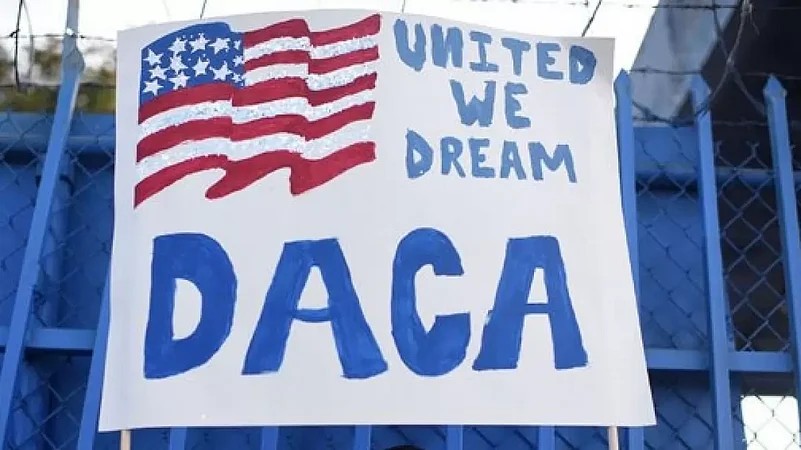
Immigration laws in the United States can be complex, particularly for individuals who arrived in the country as children and may not have clear legal status. One program that has provided temporary protection for many young immigrants is Deferred Action for Childhood Arrivals (DACA). Created in 2012, DACA allows certain individuals who came to the United States as minors to request protection from deportation and obtain authorization to work.
For those unfamiliar with immigration procedures, understanding how DACA works and who qualifies can be an important step toward navigating the legal process. In many situations, speaking with a Daca lawyer may help individuals better understand eligibility requirements and the steps involved in submitting or renewing an application.
What Is DACA?
Deferred Action for Childhood Arrivals, commonly known as DACA, is a U.S. immigration policy that allows eligible individuals to request deferred action from deportation for a specific period of time. Deferred action does not grant permanent legal status or citizenship, but it temporarily delays removal proceedings.
Individuals approved under the DACA program may receive:
- Protection from deportation for a limited period
- Authorization to work legally in the United States
- Eligibility to apply for a Social Security number
- Opportunities to pursue education or employment
The protection granted through DACA must be renewed periodically to remain valid.
Who May Qualify for DACA?
DACA eligibility is determined by several specific criteria established by the U.S. government. While immigration rules can change over time, the basic requirements generally include conditions related to age, residency, education, and background.
Age and Arrival Requirements
Applicants must have entered the United States before reaching a certain age and must have lived continuously in the country since a specific date set by immigration authorities.
Educational Requirements
Applicants typically must meet at least one of the following conditions:
- Currently enrolled in school
- Graduated from high school
- Obtained a GED certificate
- Served honorably in the U.S. military
Background Requirements
Individuals applying for DACA must also pass background checks. Certain criminal convictions may affect eligibility, particularly those involving serious offenses.
Because eligibility requirements can be detailed and sometimes complex, applicants often review their circumstances carefully before submitting an application.
The DACA Application Process
Applying for DACA involves several steps and requires submission of documentation to U.S. Citizenship and Immigration Services (USCIS).
Preparing the Application
Applicants must complete specific immigration forms and gather supporting documents. These materials may include proof of identity, records showing residence in the United States, and educational documents.
Submitting Supporting Evidence
Evidence demonstrating eligibility is an important part of the application. Examples of acceptable documents may include:
- School records
- Lease agreements or utility bills
- Medical or financial records
- Employment history documents
Providing accurate and complete documentation helps immigration officials evaluate an application.
Biometrics Appointment
After submitting the application, many applicants are scheduled for a biometrics appointment. During this appointment, fingerprints and photographs are collected to conduct background checks.
USCIS Decision
Once all materials are reviewed, USCIS will issue a decision regarding the application. If approved, the applicant may receive deferred action status and work authorization for a limited period.
Renewing DACA Status
DACA protection is not permanent. Individuals who have already been granted DACA must renew their status before it expires in order to maintain protection and work authorization.
Renewal Timeline
USCIS typically recommends submitting renewal applications several months before the current DACA status expires. Applying early may help prevent interruptions in employment authorization.
Updated Documentation
While renewal applications may require fewer documents than initial filings, applicants still need to submit updated forms and pay required government filing fees.
Staying informed about renewal deadlines is important for maintaining continuous protection under the program.
Benefits and Limitations of DACA
While DACA provides certain protections and opportunities, it is important to understand its limitations.
Benefits
DACA recipients may gain access to employment authorization, which allows them to work legally in the United States. This can open opportunities for education, professional development, and financial stability.
Additionally, deferred action status may reduce the immediate risk of deportation for individuals who meet program requirements.
Limitations
DACA does not provide permanent legal status or a direct pathway to citizenship. It is also subject to policy changes and legal challenges that may affect the program’s future.
Because of these limitations, individuals often explore other immigration options in addition to DACA.
When Individuals Seek Legal Guidance
Immigration law can involve detailed requirements and evolving regulations. For individuals considering applying for or renewing DACA, legal guidance may provide clarity about eligibility and documentation.
A Daca lawyer may help individuals review their background, prepare application materials, and understand potential legal options. Attorneys may also help ensure that forms are completed correctly and that supporting evidence meets immigration standards.
While not every applicant chooses to work with legal representation, professional guidance can help individuals navigate complex immigration processes more confidently.
Reliable Resources for Immigration Information
Individuals interested in learning more about DACA and immigration policies may consult several official resources.
The U.S. Citizenship and Immigration Services (USCIS) website provides detailed information about DACA eligibility, application forms, and policy updates. Additionally, organizations such as the American Immigration Lawyers Association (AILA) offer educational materials related to immigration law.
These sources can help individuals better understand how immigration programs operate within the broader legal system.
Final Thoughts
Deferred Action for Childhood Arrivals has played an important role in providing temporary protection and work authorization for many individuals who came to the United States as children. While the program does not offer permanent legal status, it can provide opportunities for education, employment, and stability.
Understanding the eligibility requirements, application process, and renewal procedures can help individuals navigate the DACA program more effectively. In many cases, consulting a knowledgeable Daca lawyer may help individuals evaluate their options and better understand the legal steps involved in maintaining protection under the program.